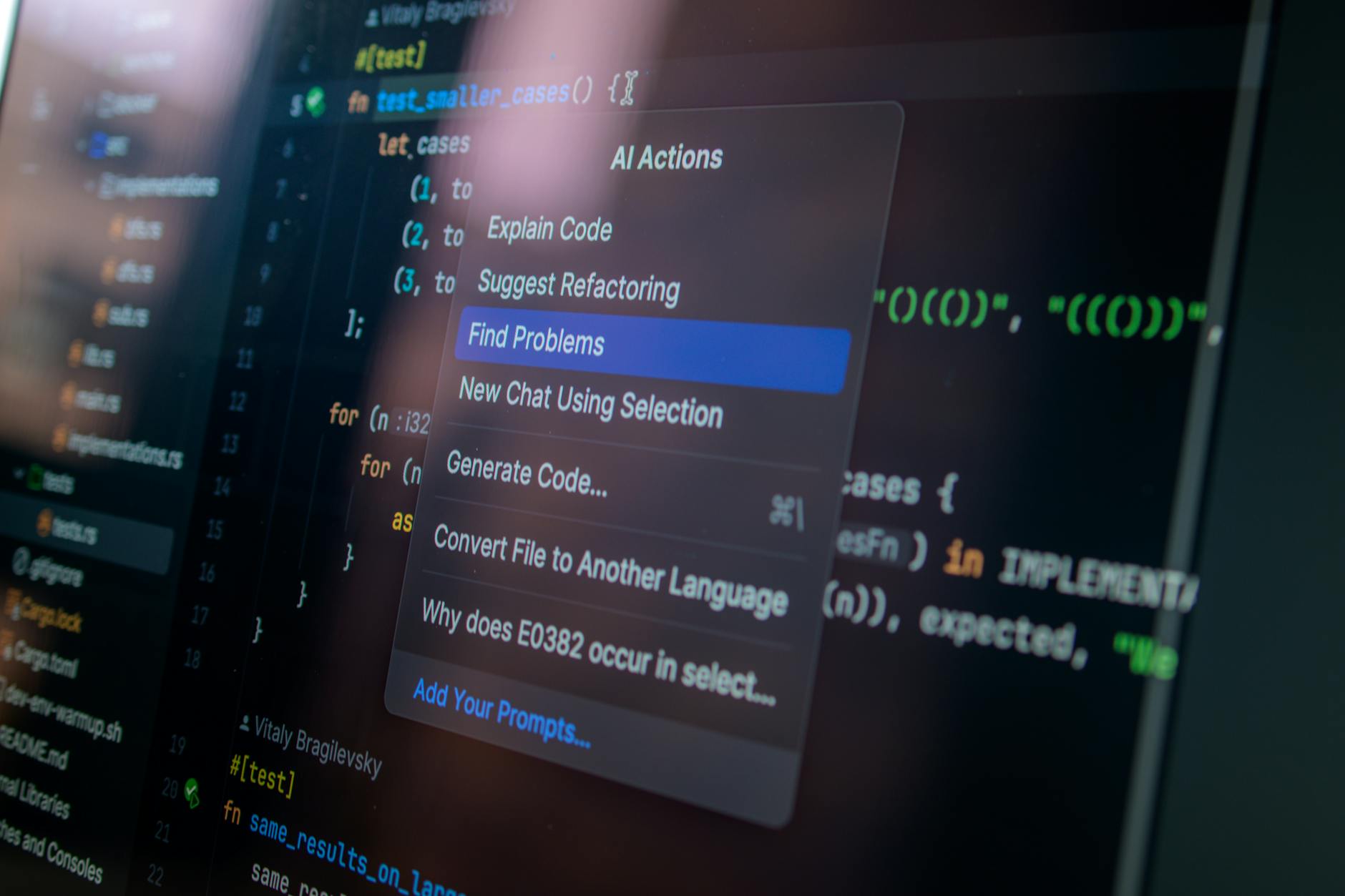
Mastering the AI Frontier: Navigating the Latest AI Trends and Tools for Business Growth
Estimated reading time: 12 minutes
Key Takeaways
- Staying abreast of the latest AI trends and tools is crucial for business survival and growth in a rapidly advancing technological landscape.
- Generative AI, Intelligent Process Automation (IPA), and Advanced Predictive AI are pivotal technologies driving unprecedented efficiency, innovation, and competitive advantage across sectors.
- The growing imperative of Ethical AI and Explainable AI (XAI) emphasizes the need for transparency, fairness, and accountability in AI deployment to build trust and mitigate risks.
- Successful AI integration requires a strategic approach: starting with small, measurable projects, prioritizing data quality, fostering an AI-ready culture, and focusing on clear business value.
- Partnering with AI experts, like AITechScope, provides invaluable guidance for navigating the complex AI landscape, ensuring effective implementation, and maximizing ROI while avoiding common pitfalls.
Table of Contents
- Navigating the Latest AI Trends and Tools
- Essential AI Tools for Business Transformation
- Practical Takeaways for Your Business
- AITechScope: Your Partner in AI Transformation
- Frequently Asked Questions (FAQ)
In an era defined by rapid technological advancement, the discourse around artificial intelligence has shifted from futuristic speculation to immediate, actionable strategies. Businesses across every sector are grappling with how to effectively integrate AI, and staying abreast of the latest AI trends and tools is no longer optional—it’s a critical component of survival and growth. From automating mundane tasks to generating creative content and predicting market shifts, AI offers unparalleled opportunities for efficiency, innovation, and competitive advantage. Yet, as with any powerful technology, its true potential is unlocked not just by adoption, but by strategic, informed implementation.
At AITechScope, we believe that understanding the nuances of the AI landscape is the first step toward harnessing its power for your business. We empower leaders like you to transform operations, optimize workflows, and achieve digital excellence through intelligent automation and cutting-edge virtual assistant services.
Navigating the Latest AI Trends and Tools
The pace of AI development is breathtaking, with new breakthroughs and applications emerging almost daily. While this rapid evolution presents immense opportunities, it also poses challenges, as highlighted by discussions around “AI fails”—instances where AI underperforms, misinterprets, or simply doesn’t deliver the expected results. These occurrences are not reasons to shy away from AI; rather, they underscore the critical importance of strategic planning, quality data, and expert guidance in its deployment. Successful AI integration isn’t just about acquiring the latest tool; it’s about understanding its limitations, setting realistic expectations, and building robust systems around it.
Let’s dive into the core AI trends and tools that are reshaping the business world and how your organization can leverage them effectively, sidestepping common pitfalls and maximizing impact.
1. The Proliferation of Generative AI and Large Language Models (LLMs)
Perhaps no other AI development has captured the public imagination and business interest quite like generative AI. Technologies such as OpenAI’s ChatGPT, Google’s Bard (now Gemini), and image generators like DALL-E and Midjourney have demonstrated AI’s capacity for creativity and human-like understanding. These Large Language Models (LLMs) are trained on vast datasets, enabling them to generate text, code, images, and even audio that is often indistinguishable from human-created content.
Key Applications & Business Benefits:
- Content Creation and Marketing: Generating blog posts, social media updates, email campaigns, ad copy, and video scripts in minutes, drastically reducing time and cost.
- Customer Service: Powering highly sophisticated chatbots and virtual assistants that can handle complex queries, provide instant support, and personalize interactions, thereby improving customer satisfaction and reducing call center loads.
- Code Generation and Development: Assisting developers by generating code snippets, debugging, and even creating entire software modules, accelerating development cycles.
- Data Analysis and Summarization: Quickly extracting insights from large datasets, summarizing lengthy documents, and generating reports, enabling faster, more informed decision-making.
- Personalized Experiences: Tailoring product recommendations, user interfaces, and learning pathways based on individual preferences and behaviors.
For businesses, generative AI translates into unprecedented levels of productivity and the ability to scale creative and communication efforts without proportional increases in human resources. However, it’s crucial to ensure human oversight to maintain brand voice, factual accuracy, and ethical standards, mitigating the risk of “AI fails” in content quality or factual errors.
2. The Rise of Intelligent Process Automation (IPA)
While Robotic Process Automation (RPA) has been a buzzword for a few years, the evolution towards Intelligent Process Automation (IPA) marks a significant leap. IPA combines traditional RPA with AI capabilities such as machine learning, natural language processing (NLP), and computer vision. This allows automation not just of repetitive, rule-based tasks, but also those requiring cognitive abilities like understanding unstructured data, making decisions, and adapting to new scenarios.
Key Applications & Business Benefits:
- Enhanced Back-Office Operations: Automating data extraction from invoices, contracts, and emails, streamlining financial reconciliation, supply chain management, and HR processes.
- Customer Onboarding and Servicing: Automating identity verification, document processing, and query routing, significantly reducing processing times and improving customer experience.
- Compliance and Risk Management: AI-powered systems can monitor transactions for anomalies, identify potential fraud, and ensure adherence to regulatory requirements, offering proactive risk mitigation.
- Personalized Marketing & Sales: Automating lead scoring, personalized email sequences, and even dynamic pricing adjustments based on real-time market conditions.
IPA goes beyond simple task automation; it’s about creating self-learning, self-optimizing digital workforces. For businesses, this means dramatically reduced operational costs, increased accuracy, faster processing times, and freeing human employees to focus on higher-value, strategic initiatives.
3. Advanced Predictive AI and Analytics
Predictive AI utilizes sophisticated algorithms to analyze historical data and forecast future outcomes with remarkable accuracy. This isn’t just about looking at past trends; it’s about identifying complex patterns and variables to anticipate future events, customer behavior, and market shifts.
Key Applications & Business Benefits:
- Sales Forecasting and Demand Planning: Accurately predicting future sales volumes and customer demand, optimizing inventory management, reducing waste, and preventing stockouts.
- Personalized Customer Experiences: Predicting which products or services customers are most likely to purchase next, enabling highly targeted marketing campaigns and recommendations.
- Risk Assessment and Fraud Detection: Identifying patterns indicative of fraud in financial transactions, insurance claims, or credit applications, proactively mitigating losses.
- Maintenance Prediction: In industrial settings, predicting equipment failures before they occur, enabling proactive maintenance and minimizing downtime.
- Healthcare Diagnostics: Assisting medical professionals in predicting disease progression or patient response to treatments, leading to better patient outcomes.
By transforming vast quantities of data into actionable foresight, predictive AI empowers businesses to make data-driven decisions that enhance efficiency, unlock new revenue streams, and gain a significant competitive edge. It’s about moving from reactive problem-solving to proactive strategy formulation.
4. The Growing Imperative of Ethical AI and Explainable AI (XAI)
As AI becomes more integrated into critical business functions and daily life, the importance of ethical considerations and transparency has surged. Discussions around AI bias, fairness, privacy, and accountability are no longer academic—they are central to responsible AI deployment. Explainable AI (XAI) is a burgeoning field focused on developing AI models whose decisions can be understood and interpreted by humans.
Key Trends & Business Benefits:
- Building Trust: Transparent AI systems foster greater trust among users, employees, and regulators, which is crucial for widespread adoption.
- Mitigating Bias: XAI helps identify and rectify biases in algorithms, ensuring fair outcomes for all customer segments and preventing reputational damage.
- Regulatory Compliance: As AI regulations emerge, XAI will be vital for demonstrating compliance and accountability in how AI systems arrive at their conclusions.
- Improved Debugging: Understanding why an AI made a certain decision helps developers and business users diagnose issues and refine models more effectively, reducing the likelihood of unexpected “AI fails.”
For businesses, adopting an ethical AI framework and prioritizing explainability minimizes legal and reputational risks while building a foundation for sustainable, responsible innovation. It ensures that AI serves human values and organizational goals without unintended negative consequences.
Essential AI Tools for Business Transformation
Beyond the overarching trends, a rich ecosystem of AI tools is emerging, making these advanced capabilities accessible to businesses of all sizes.
- No-Code/Low-Code AI Platforms: These platforms democratize AI by allowing business users, not just data scientists, to build and deploy AI applications with minimal or no coding. Tools like Google Cloud AI Platform, Microsoft Azure Machine Learning, and specialized no-code AI builders enable rapid prototyping and deployment of solutions tailored to specific business needs. This accelerates digital transformation and allows businesses to iterate quickly.
- AI-Powered Virtual Assistants and Chatbots: More sophisticated than ever, these tools go beyond answering FAQs. They can manage entire customer journeys, provide personalized recommendations, qualify leads, and even perform complex data retrieval, acting as a force multiplier for customer support and sales teams.
- Intelligent Automation Platforms (e.g., n8n, Zapier, Make): These platforms enable businesses to connect various applications and services, automating complex workflows across different software ecosystems. Tools like n8n, in particular, offer powerful, flexible, and often self-hostable solutions for integrating AI capabilities into existing processes, creating seamless, automated operations that drive efficiency.
- Data Labeling and Annotation Tools: High-quality data is the bedrock of effective AI. These tools facilitate the crucial, often manual, process of preparing data for AI training, ensuring models learn from accurate and relevant information.
- AI-Enhanced Cybersecurity Solutions: Leveraging AI to detect and respond to threats in real-time, identifying anomalies and predicting potential breaches before they cause significant damage.
Practical Takeaways for Your Business
The proliferation of AI trends and tools can feel overwhelming, but a structured approach can pave the way for successful integration:
- Start Small, Think Big: Don’t attempt to automate everything at once. Identify specific pain points or repetitive tasks that, if automated, would yield clear, measurable benefits. Pilot small projects to demonstrate ROI and build internal confidence.
- Prioritize Data Quality: AI models are only as good as the data they’re trained on. Invest in data cleansing, organization, and governance. Poor data leads to poor AI performance—a classic “AI fail.”
- Foster an AI-Ready Culture: AI isn’t just a technology; it’s a new way of working. Educate your team, provide training for new AI-powered tools, and encourage experimentation. Emphasize that AI is a co-pilot, not a replacement, empowering employees to focus on more strategic work.
- Focus on Business Value, Not Just Technology: Before adopting any AI tool, clearly define the business problem you’re trying to solve and the measurable outcomes you expect. AI should serve your strategic goals, not merely be adopted for its own sake.
- Seek Expert Guidance: Navigating the complex AI landscape requires specialized knowledge. Partner with experts who understand both the technical intricacies of AI and the practicalities of business implementation. This guidance is invaluable in choosing the right tools, designing effective workflows, and avoiding costly mistakes.
AITechScope: Your Partner in AI Transformation
The journey through the evolving landscape of AI trends and tools is complex, but you don’t have to navigate it alone. At AITechScope, we specialize in empowering businesses to harness the full potential of artificial intelligence and intelligent automation. We understand that successful AI integration extends beyond just selecting a tool; it requires strategic planning, meticulous implementation, and ongoing optimization.
How AITechScope Can Transform Your Business:
- AI-Powered Automation & n8n Workflow Development: We design and implement custom AI automation solutions that streamline your operations. Leveraging powerful platforms like n8n, we build robust, interconnected workflows that automate everything from data entry and lead management to customer communication and personalized outreach, drastically cutting costs and increasing efficiency.
- Virtual Assistant Services: Our AI-powered virtual assistants are more than just support staff; they are intelligent agents capable of managing complex administrative tasks, data analysis, content scheduling, and customer inquiries, freeing your human team to focus on strategic growth initiatives.
- AI Consulting & Strategy: We provide expert guidance, helping you identify the most impactful AI opportunities within your business, develop a tailored AI strategy, and overcome implementation challenges. We help you choose the right AI tools, ensuring they align with your business objectives and deliver tangible ROI, minimizing the risk of “AI fails.”
- Digital Transformation & Website Development: Our expertise extends to integrating AI seamlessly into your digital infrastructure, including your website and other online platforms. We ensure your digital presence is optimized not just for aesthetics but for intelligent automation and data capture, making your business future-ready.
- Workflow Optimization: We deeply analyze your existing processes to identify bottlenecks and opportunities for AI-driven improvements, designing solutions that enhance productivity, reduce errors, and foster scalability.
We help businesses like yours scale operations, reduce costs, and improve efficiency through intelligent delegation and state-of-the-art automation solutions. By partnering with AITechScope, you gain a dedicated team committed to turning the latest AI trends and tools into your competitive advantage. We ensure your AI journey is not just successful, but also sustainable and impactful.
The future of business is intelligent, automated, and deeply integrated with AI. Don’t be left behind.
Ready to transform your business with cutting-edge AI automation and virtual assistant services?
Discover how AITechScope can help you navigate the latest AI trends and tools to unlock unparalleled efficiency and growth. Visit our website or contact us today for a personalized consultation. Let’s build your AI-powered future, together.
Frequently Asked Questions (FAQ)
What is Generative AI and how can it benefit my business?
Generative AI, exemplified by tools like ChatGPT and DALL-E, refers to AI models capable of creating new content such as text, images, code, and audio. For businesses, it offers significant benefits in content creation, marketing, customer service (via advanced chatbots), code generation, data analysis, and delivering personalized customer experiences, leading to increased productivity and scalability.
What is the difference between RPA and Intelligent Process Automation (IPA)?
Robotic Process Automation (RPA) automates repetitive, rule-based tasks. Intelligent Process Automation (IPA) is an evolution that combines RPA with AI capabilities like machine learning, natural language processing, and computer vision. This allows IPA to automate not only repetitive tasks but also those requiring cognitive abilities, such as understanding unstructured data, making decisions, and adapting to new scenarios, thereby creating more sophisticated, self-learning digital workforces.
Why is Ethical AI and Explainable AI (XAI) important?
Ethical AI and XAI are crucial for responsible AI deployment. Ethical AI addresses concerns about bias, fairness, privacy, and accountability, which are central to building trust among users and complying with emerging regulations. Explainable AI (XAI) focuses on making AI decisions understandable to humans, helping to identify and rectify biases, demonstrate compliance, and improve debugging, ultimately minimizing legal and reputational risks.
How can businesses effectively integrate AI?
Effective AI integration involves several practical steps: starting with small, measurable pilot projects; prioritizing the quality, organization, and governance of data; fostering an “AI-ready” culture through education and training; focusing on clear business value and strategic goals; and seeking expert guidance to navigate the complex AI landscape and avoid costly mistakes.
How can AITechScope help with AI transformation?
AITechScope specializes in empowering businesses through AI-powered automation and intelligent services. They offer custom AI automation solutions (including n8n workflow development), AI-powered virtual assistant services, expert AI consulting and strategy, digital transformation with seamless AI integration, and workflow optimization. Their goal is to help businesses scale operations, reduce costs, improve efficiency, and gain a competitive advantage through state-of-the-art AI solutions.